AlreadyPrepared.com
Community Emergency Preparedness
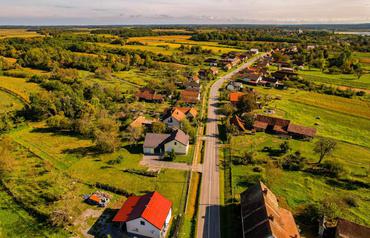
Metro City & Rural Countryside

SIGN UP FOR OUR NEWSLETTER!
Subscribers to the AlreadyPrepared.com newsletter are a thriving community of readers eager to learn more about Survival & Preparedness solutions, strategies
and tactics and to find ways to reduce their own impact during an emergency
or disaster and to protect the safety
and security of their families and
loved ones during such an event.
Here are some of the great
information you’ll receive:
Survival & Preparedness Alerts,
Survival & Preparedness Tips,
Survival & Preparedness News Analysis, Insightful Opinions and Feedback.
Your privacy is important to us!
You can unsubscribe from the
newsletter any time and we will
never give away your email address.
We follow strict privacy safeguards.




OUR

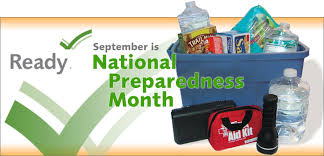





Emergency preparedness is the continuous process of planning, organizing, and equipping your household before a crisis to protect lives and secure your safety. True readiness requires proactive action rather than a fast reaction during a disaster. According to guidelines from the official federal campaign Ready.gov, building an effective foundation for safety relies on four primary pillars: being informed, drafting a comprehensive plan, assembling an emergency kit, and training within your community.
1. Be Informed
Identify Hazards: Learn about specific regional risks like severe hurricanes, flash flooding, or extreme heat waves.
Sign Up for Alerts: Register for local emergency notification systems to receive real-time warnings directly to your mobile devices.
Monitor the Weather: Keep a backup method like a battery-powered NOAA Weather Radio to receive instructions during power grid failures.
2. Make a Household Plan
Establish Communication: Designate an out-of-state emergency contact to route messages when local phone towers are overwhelmed.
Map Evacuation Routes: Outline primary and secondary evacuation paths from your neighborhood and keep paper maps handy.
Pick Meeting Spots: Choose one location right outside your house and another outside your neighborhood in case you become separated.
Assess Unique Needs: Account for infant formulas, prescription medications, elderly family members, or pet supplies.
3. Build a Basic Emergency Kit
Water: Store at least one gallon of water per person, per day, for a minimum of three to seven days.
Food: Stock non-perishable canned goods, energy bars, and high-calorie rations along with a manual can opener.
Medical Supplies: Maintain a fully stocked first aid kit with essential bandages, antiseptic wipes, and personal prescriptions.
Tools: Include flashlights, extra batteries, a loud whistle to signal for help, and basic hand tools to shut off utilities.
4. Get Involved and TrainTake Local Classes:
Join community safety courses such as Community Emergency Response Team (CERT) programs to learn disaster medical operations and light search and rescue.
Practice Drills: Conduct regular household fire drills and practice driving your designated evacuation route at least twice a year.



National Rural Health Association
Rural health transformation
ruralhealth.us
NRHA produces several digital and print publications to engage NRHA members and inform rural health professionals. Non-Profit Organization. View Programs. Check Events.